CN
 EN
 es
 ru






May 27, 2025

In industrial filtration processes such as mineral processing and chemical slurry treatment, filter cloths are constantly exposed to slurry and solid particles. Over time, deposits can build up on the cloth surface and penetrate into the fabric structure, gradually affecting filtration performance. Regular inspection and proper cleaning are therefore essential for keeping a filter press operating efficiently and reliably.
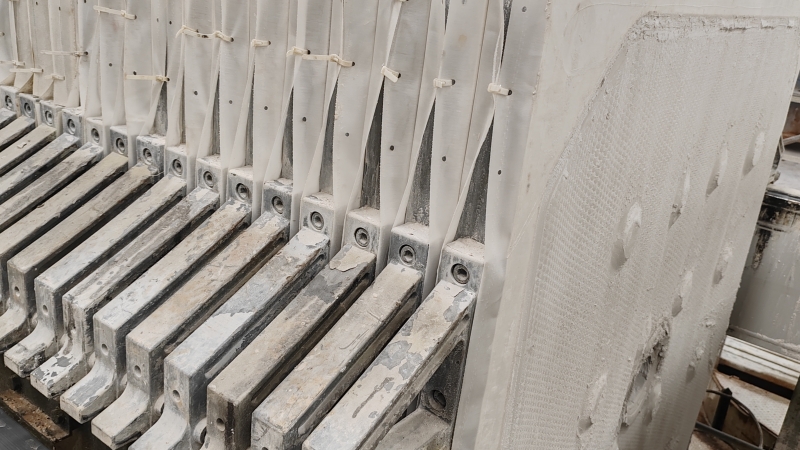
During continuous operation, fine particles may accumulate within the fabric openings and restrict liquid flow. Proper cleaning helps remove these deposits and maintain the cloth's permeability, allowing filtrate to pass through more smoothly and keeping the filtration process stable.
In chemical and mineral slurry applications, residual materials can accumulate after repeated filtration cycles. When the same filtration system is used for different materials or production batches, these deposits may affect subsequent processes. Timely cleaning helps reduce residue and the risk of cross-contamination, supporting consistent product quality and process stability.
Excessive buildup can place additional stress on the fabric and gradually affect its mechanical properties. Certain chemical media may also attack the fibers, causing the cloth to become stiff, lose strength, or eventually develop damage. Appropriate cleaning and routine maintenance can help minimize unnecessary wear, extend service life, and reduce replacement costs.
The condition of the filter cloth can also influence cake formation and release. Heavily fouled cloths may result in uneven cake formation or make cake discharge more difficult. Keeping the cloth clean helps maintain consistent filtration and promotes more uniform cake formation, while reducing manual cleaning and unplanned downtime.
There is no universal cleaning interval for filter cloths. The appropriate schedule depends on factors such as fabric material, slurry characteristics, particle size, chemical conditions, and operating parameters.
For demanding applications in mineral processing, chemical filtration, and other high-load processes, a well-planned cleaning and maintenance program can help maintain filtration efficiency, extend cloth service life, and reduce overall operating costs.
Regular filter cloth inspection should therefore be treated as part of routine filter press maintenance—not simply as a corrective measure when filtration problems occur.